

Acne is one of the most common skin conditions affecting teenagers and adults alike. From occasional breakouts to persistent cystic acne, skin problems can impact confidence, comfort, and overall skin health. Fortunately, modern acne medication options provide effective ways to reduce breakouts, control oil production, and improve the appearance of the skin over time.
Understanding how acne medications work is important because different types of acne require different treatment approaches. Some people struggle with mild whiteheads and blackheads, while others experience deeper inflammation, redness, and painful cystic acne that may require stronger medical treatment.
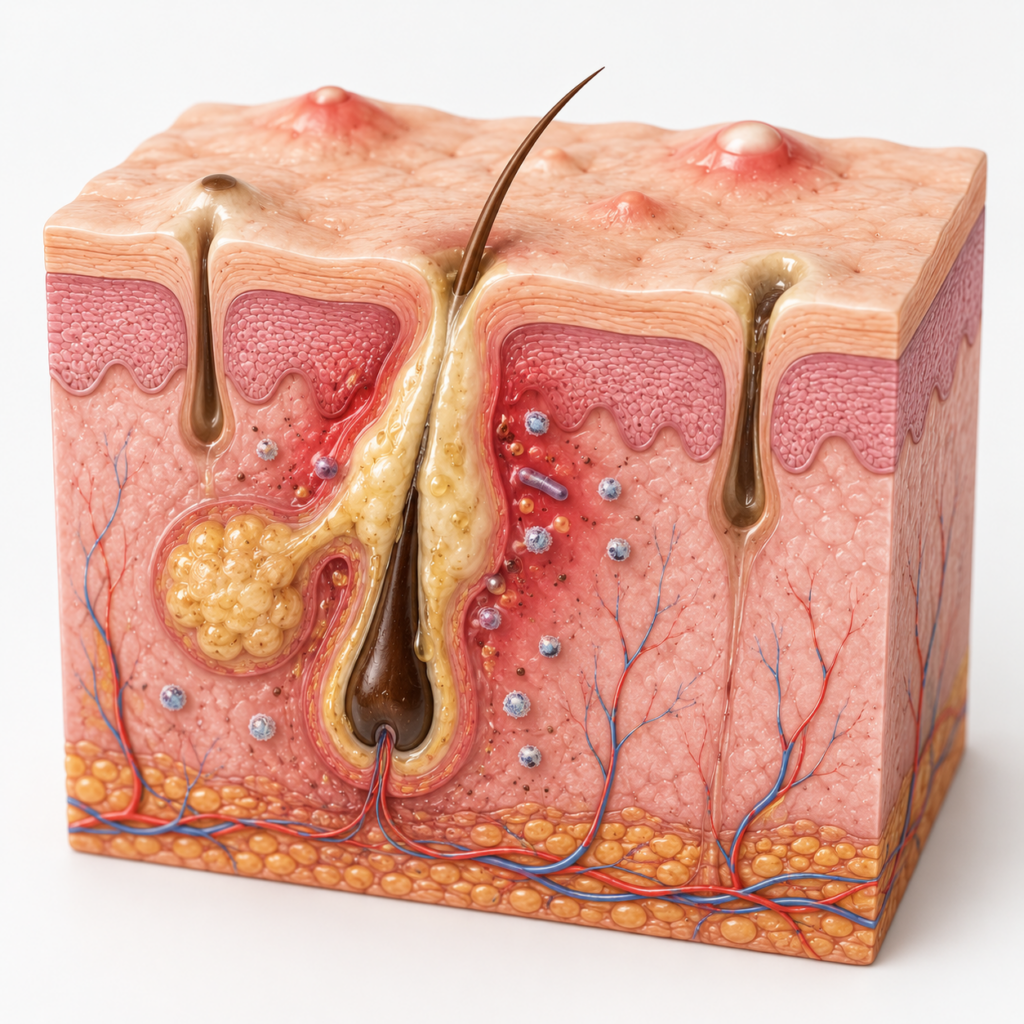
What Causes Acne?
Acne develops when hair follicles become clogged with oil, dead skin cells, and bacteria. Several factors can contribute to acne breakouts, including hormonal changes, excess oil production, stress, diet, genetics, and certain skincare products.
Common acne symptoms include:
- Whiteheads
- Blackheads
- Red inflamed pimples
- Cystic acne
- Skin irritation
- Scarring or dark spots
Acne can appear on the face, chest, shoulders, neck, and back depending on skin type and severity.
Types of Acne Medication
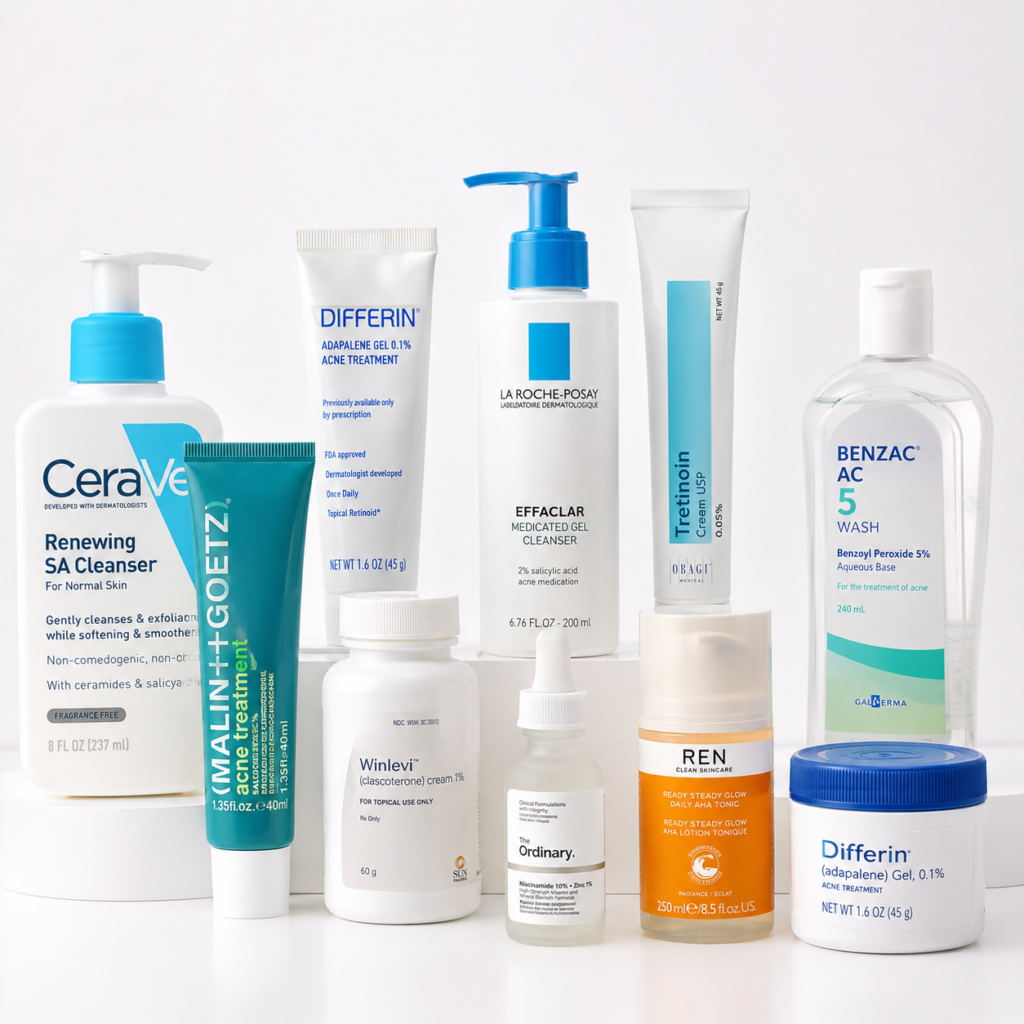
There are several categories of acne medication available today, ranging from over-the-counter treatments to prescription medications recommended by dermatologists.
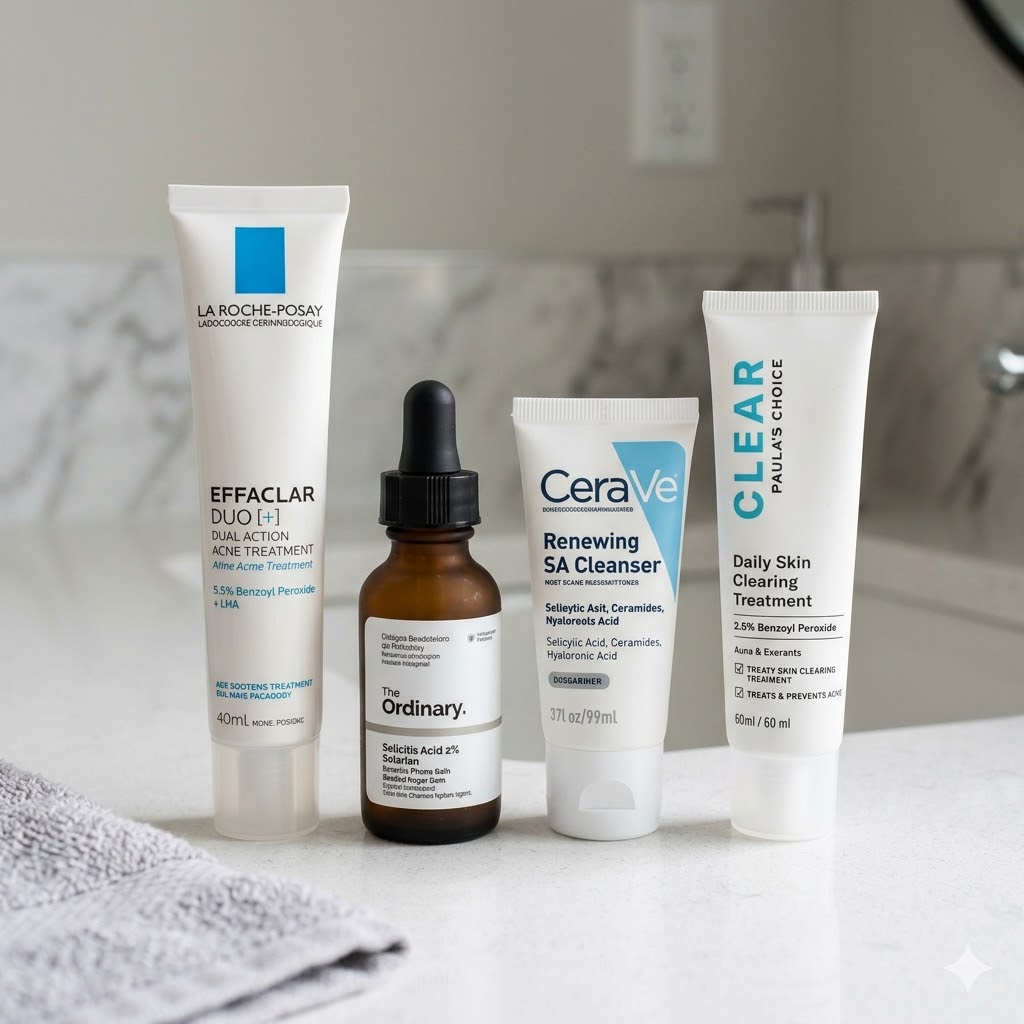
Topical Acne Treatments
Topical medications are applied directly to the skin and are commonly used for mild to moderate acne.
Popular ingredients include:
- Benzoyl peroxide
- Salicylic acid
- Retinoids
- Sulfur treatments
- Azelaic acid
These ingredients help reduce bacteria, unclog pores, remove excess oil, and improve skin cell turnover.
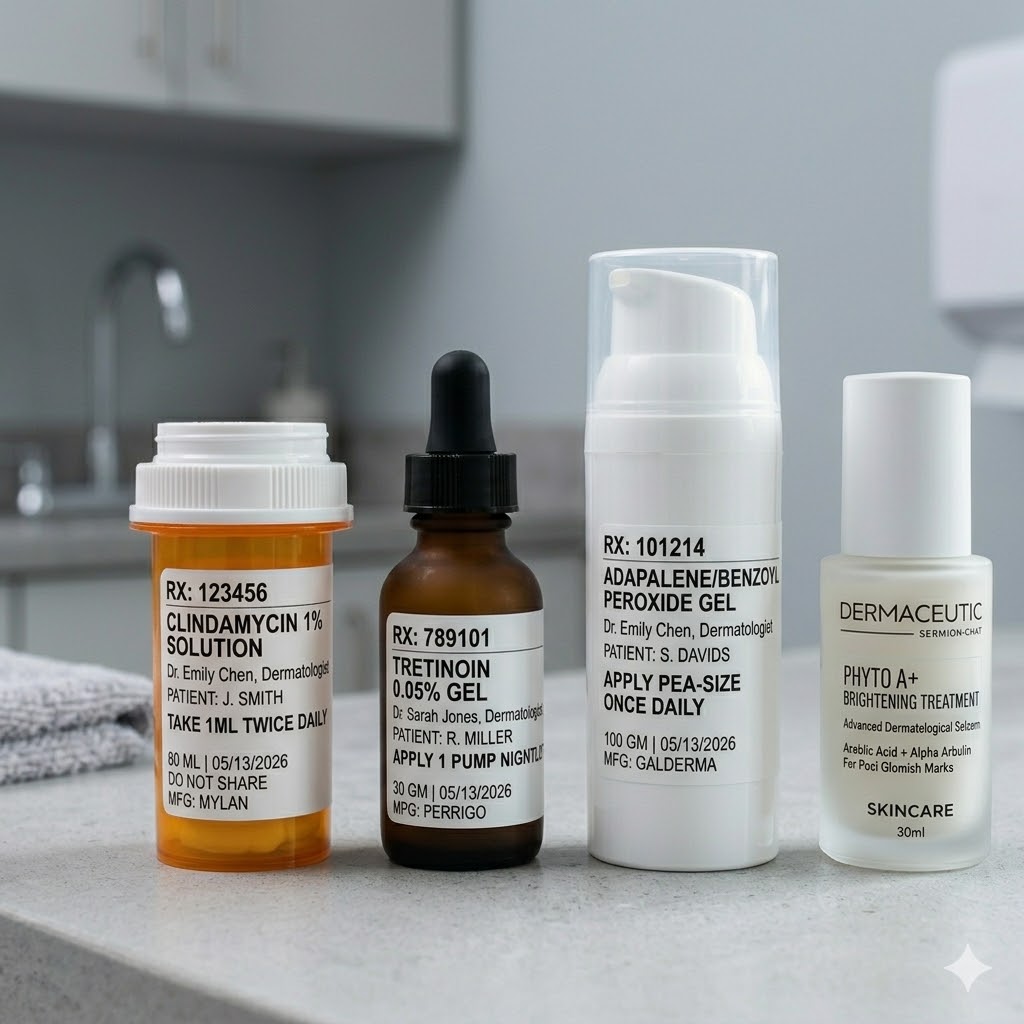
Prescription Acne Medication
Moderate to severe acne may require prescription-strength treatment. Dermatologists often recommend stronger medications for persistent breakouts or cystic acne.
Prescription acne medications may include:
- Topical retinoids
- Oral antibiotics
- Hormonal medications
- Isotretinoin
- Prescription-strength creams or gels
Professional medical guidance is important because stronger acne medications may cause dryness, irritation, or increased skin sensitivity during treatment.
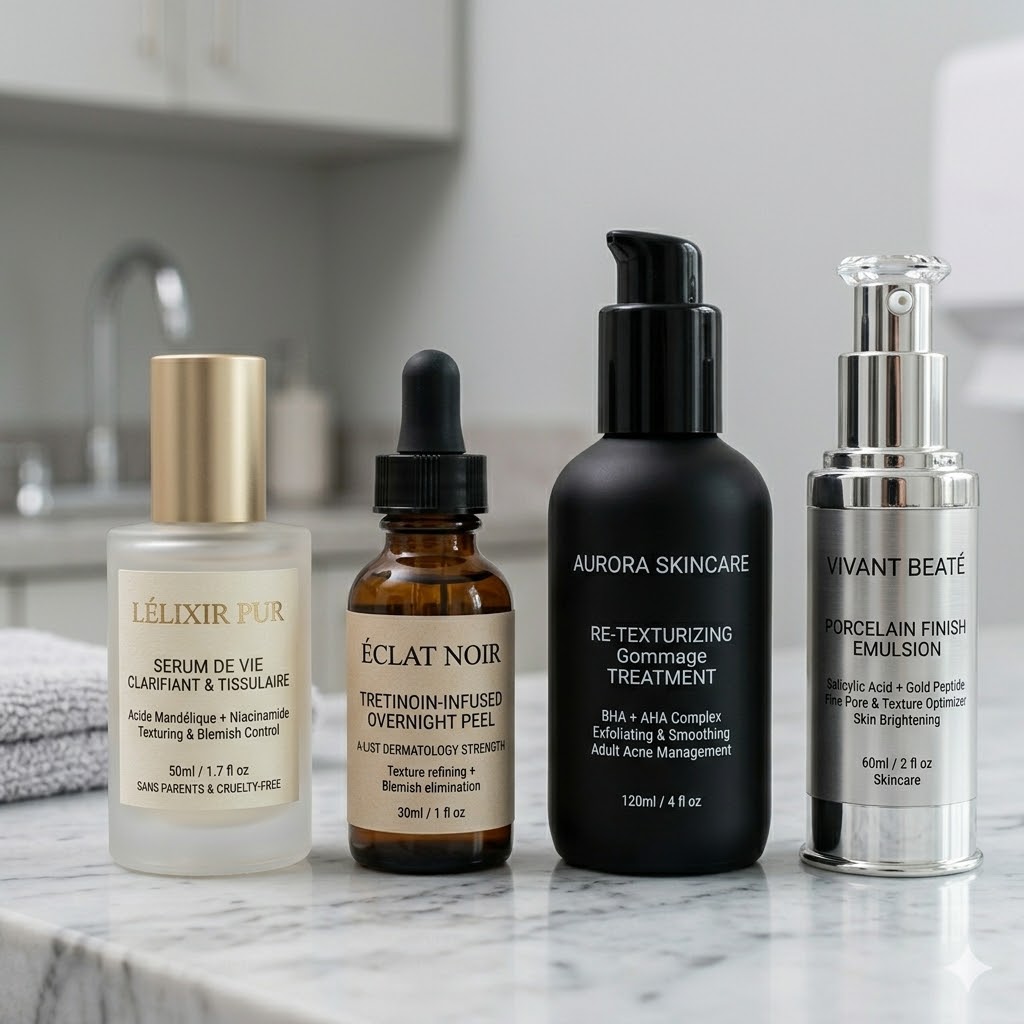
Acne Medication for Adults
Adult acne has become increasingly common, especially among women experiencing hormonal fluctuations, stress, or lifestyle-related skin issues. Adult acne treatments often focus on reducing inflammation while maintaining healthy skin balance.
Many adults choose acne medications that also help improve:
- Skin texture
- Dark spots
- Acne scars
- Redness
- Uneven tone
Consistent skincare routines combined with proper medication often produce the best long-term results.
How Long Acne Medication Takes to Work
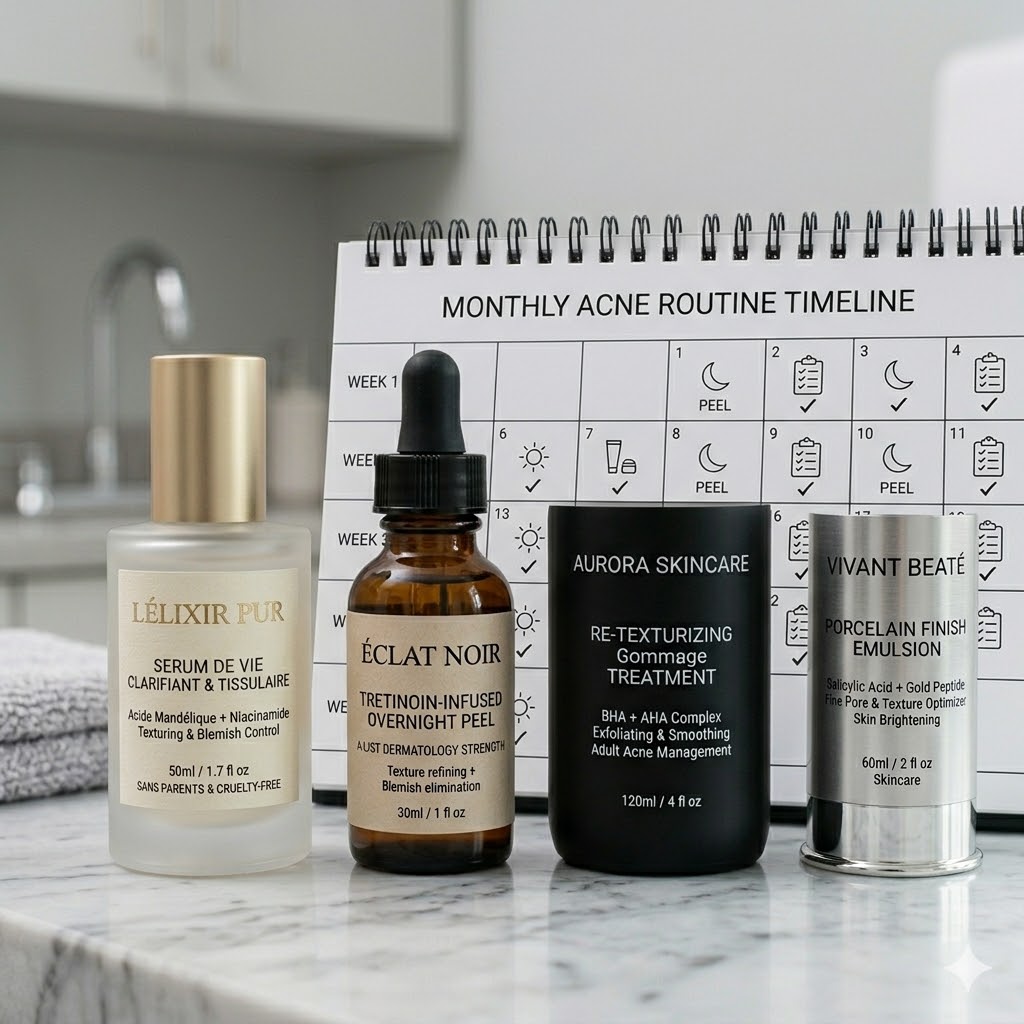
Many people expect immediate results from acne treatments, but most medications require time and consistency before improvements become visible. Mild irritation or temporary purging may occur during the early stages of treatment as the skin adjusts.
Typical improvement timelines may range from several weeks to a few months depending on:
- Acne severity
- Skin type
- Medication strength
- Consistency of use
- Lifestyle factors
Patience and proper skincare support are essential during acne treatment.
Supporting Healthy Skin During Acne Treatment
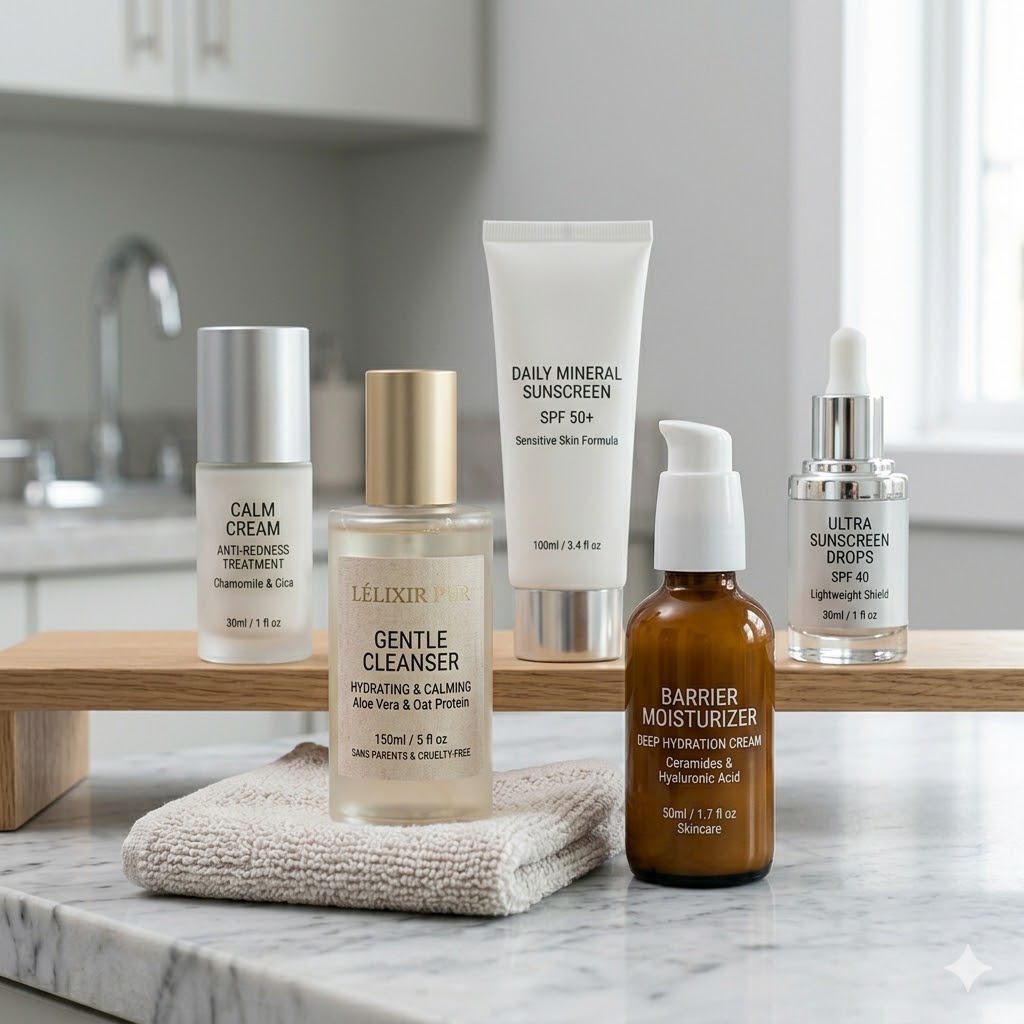
Using acne medication properly is important for avoiding unnecessary dryness or irritation. Many acne treatments can make the skin more sensitive, especially during summer months or sun exposure.
Helpful skincare habits include:
- Using gentle cleansers
- Applying non-comedogenic moisturizers
- Wearing sunscreen daily
- Avoiding harsh scrubbing
- Staying hydrated
- Keeping pillowcases and makeup tools clean
A balanced skincare routine can help improve overall treatment effectiveness.
Common Mistakes When Using Acne Medication
Many people accidentally worsen acne by overusing products or mixing too many treatments at once. Applying excessive medication can irritate the skin barrier and increase redness or dryness.
Common mistakes include:
- Overwashing the face
- Using multiple strong products together
- Skipping moisturizer
- Picking or squeezing acne
- Stopping treatment too early
Following consistent and moderate skincare habits usually provides better long-term results.
When to See a Dermatologist
While mild acne can often be managed with over-the-counter products, severe or persistent acne may require professional evaluation. A dermatologist can help identify the underlying causes of breakouts and recommend personalized treatment options.
Medical attention may be helpful for:
- Painful cystic acne
- Acne scarring
- Hormonal acne
- Acne resistant to treatment
- Severe redness or inflammation
Early treatment may also help reduce long-term skin damage and scarring.
Finding the Right Acne Medication for Your Skin
There is no single acne treatment that works for everyone. Skin type, acne severity, and individual sensitivity all influence which medication may be most effective. The best acne treatment plans often combine proper skincare, consistency, and professional guidance when necessary.
With modern acne medications and healthier skincare habits, many people can successfully manage breakouts and improve skin clarity over time.